 In an ideal world, a football world cup would bring people of all backgrounds and cultures together to celebrate their mutual love for the sport. It would set an example for equality, tolerance and athleticism and provide income for the people who live in the hosting countries. The 2026 Fifa World Cup shows once again that we are far from living up to this ideal, though the Mexican government tries very hard to make it seem so. Leading up to the world cup multiple Mexican citizens have protested against their country hosting. This is by no means a declaration against the game, but against the consequences people suffer and the measures the government took to prepare.
Disappearances
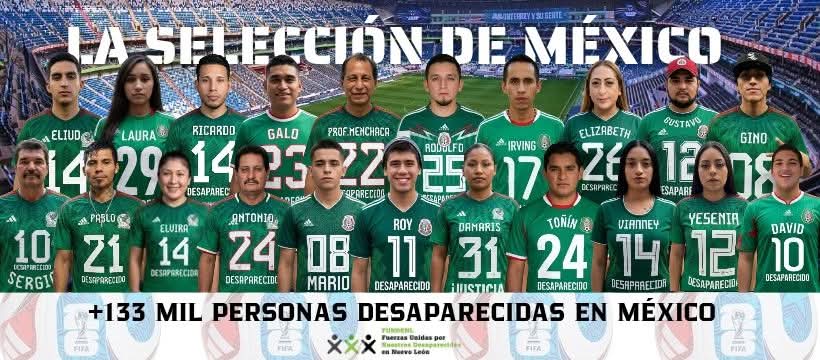
First, let’s look at the backdrop. According to Frontline Defenders, 274 human rights activists have been murdered in 2025. 43 deaths happened in Mexico, placing the country on second rank worldwide. And these are only the confirmed killings. Currently, more than 134.000 people are missing. Relatives find themselves largely left alone by authorities and forced to organize themselves to search for their loved ones on their own. That there are no resources available to assist their searches while millions are spent on the tournament is a devastating blow to the families. Also, the “Searching Mothers” have called for the public to not attend the games, fearing for the safety of visitors and tourists in the face of ongoing impunity and lack of governmental responses to abductions.
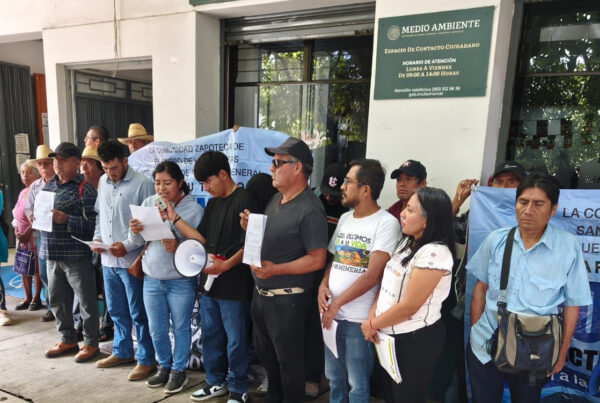
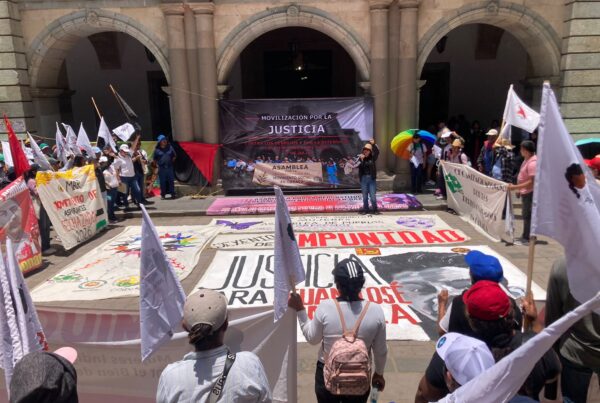
Manifestations to draw attention to the situation have been met with police violence.
It is also worth noting that studies link big sports events to a 20-40% rise in domestic violence, and in a country flooded with violence against women, no preventive measures have been taken.
Who wins and who loses
Another issue is the way the cities are “cleaned” for the influx of tourists: vendors who have worked at significant metro stops for decades are faced with evictions and loss of their livelihoods. This is further escalation of a gentrification process already in motion. The capitals government has assigned roughly 350 million dollars to the “beautification” of the city for guests, leading to construction programs that blocked important traffic routes for months while ignoring important maintenance work farther away from the stadium. Dust created by construction projects on the stadium itself has caused respiratory problems for residents.
The coffers will not be refilled by the FiFa: Though the tournament is expected to generate the most turnover in its history, Cuban journalist Penyley Ramírez has found out that unlike in the USA and Canada, the FiFa will not be paying any taxes in Mexico, while considerable amounts of taxpayer money is funneled into the private event. Add to that the astronomic ticket costs for the games, and it becomes clear that very few local people will actually benefit from having the games on site.
Captain “Marcos” of the Zapatista Army of National Liberation (EZLN) captures the situation perfectly, stating that “Football, like almost anything, struggles between crime and resistance, between authoritarianism and rebellion, between business and game, between barbarism and nobility”.
News platform “Desinformémonos” has created a collection of stories around the World Cup called Fuera de Lugar, illustrating drawbacks, but also posting positive examples of “football from below”.
Further Sources:
Image: Fuerzas Unidas por Nuestros Desaparecidos