Source: Latin American Post
What happened?
The latest evaluations of satellite images show that between February 6 and 11, the first discharges of oil or heavy oil in the Gulf of Mexico were visible. These are likely attributable to a vessel anchored near the Abkatún (Aabakatún) oil platform (PEMEX). After February 11, the discharge intensified enormously and lasted at least until February 17.
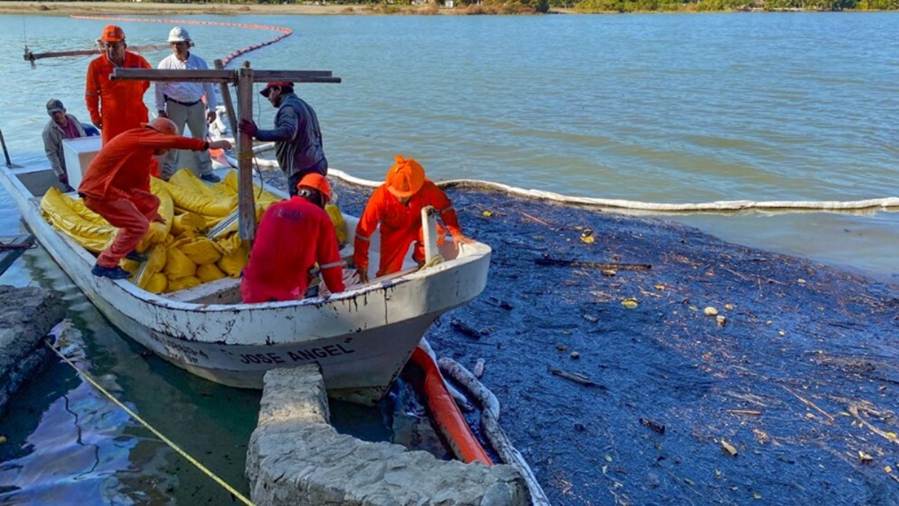
That those responsible noticed this immediately is shown by images proving that attempts were made to contain the spread using additional vessels. However, the measures were far from sufficient, and the oil slick grew larger and larger, contaminating at least 630 km of coastline over the following weeks.
Communication by the Authorities
In doing so, authorities and those responsible disregarded the guidelines of the national emergency plan for oil spills and potentially hazardous pollutants in Mexican waters, in force since 2023 (https://diredimoat.semar.gob.mx/PROMAM/planesdecontingencia.html).
Neither were the measures taken sufficient, nor were potentially affected areas warned in advance. This suggests that either no adequate resources for containment were available, or that it was actively speculated that the oil slick would not reach the coastline and would thus go unnoticed.
According to an official statement by the indigenous Nahua and Popoluca communities of the affected region, supported by the human rights center ‘Bety Cariño’ and other indigenous organizations from southern Veracruz, the residents of the coastal regions were not informed about the oil disaster. This is further corroborated by an interactive map published by the network “Red Corredor Arrecifal del Golfo de México” together with affected communities and collectives, documenting citizen reports of oil-contaminated beaches, lagoons and marine areas since March 3, 2026.
It can therefore be said that there has been a structural lack of transparent communication. Those affected report that the cause has still not been officially confirmed and speak of a “ghost ship,” as there continues to be no information about which company the vessel belongs to. Furthermore, no health information was provided to the population, which has led to continued fishing and selling of contaminated seafood, already resulting in cases of poisoning.
Neither were the initially agreed arrangements honored, nor was a restoration plan for the affected ecosystems communicated regarding the future. Some affected individuals also received information through unofficial channels that chemicals were being discharged into the sea to prevent the spread of the oil slick.
We say this is environmental racism.
Environmental racism describes the phenomenon whereby indigenous and marginalized communities are disproportionately affected by environmental disasters, while state protective and relief measures systematically fall short for them compared to other population groups.
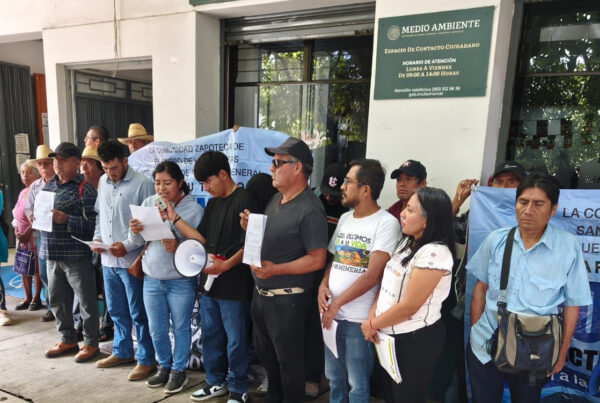
In this case too, this pattern becomes visible once again. The indigenous Nahua and Popoluca communities on the coasts of Veracruz are not only the most severely affected, but are also the least heard. “As indigenous people, no one listens to us,” representatives of the communities emphasized at a press conference on March 23 in Coatzacoalcos.
While the governor of Veracruz, alongside other authorities, downplays the impact of the disaster, the affected population is cleaning the beaches with limited resources and taking on cleanup work that should be the responsibility of the state. At a minimum of nine documented sites, exclusively local residents have carried out the cleanup.
The official figures stand in stark contrast to the reality on the ground. On March 19, 2026, PEMEX announced a cleanup progress of approximately 85%. However, reports from affected residents and independent organizations paint a very different picture: according to the “Red Corredor Arrecifal del Golfo de México,” 26 sites had not been cleaned at all at that point in time. The official statement from the affected communities on the same day also makes clear that there was a significant discrepancy between the official figures and the actual situation.
Key Facts
This is given particular weight by the fact that the livelihoods of around 16,000 families are at risk due to the contamination. From March 3 onwards, the first oil slicks were reported to have washed up on beaches and into lagoons. Around 630 km of coastline and 7 environmental protection zones were contaminated. At least 12 animals, including turtles, dolphins and rays, are reported to have died as a result of the contamination.
The Latest Developments
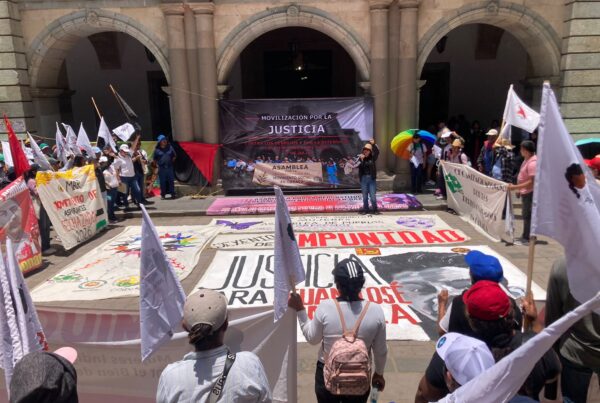
On April 5, affected residents of the coastal region took to the streets at various locations. Under the motto “March for the Sea,” they called on those responsible to ensure justice. While the predominantly tourist beaches were being cleaned on a daily basis, some non-tourist beaches were reported to still smell of oil and had not yet been cleared. “What we want is justice for all people who depend on the territory, on the sea.” According to the Mexican government, which is tasked with managing the oil spill, a total of 894.2 tons of oil have so far been collected from 48 beaches.
Recent History of Accidents
This contamination is part of a recent accumulation of operational accidents at industrial sites operated by PEMEX. As recently as the night of March 17, a fire broke out at the Olmeca refinery in Tabasco, presumably triggered by accumulated hydrocarbon residues following heavy rainfall. As early as October 2025, PEMEX attributed an oil spill in Veracruz to heavy rainfall that damaged a pipeline and contaminated the Pantepec River.
Sources:
La Jornada: Derrame de hidrocarburo en Golfo de México afecta a siete áreas naturales protegidas: Conanp CEMDA: Derrame en el Golfo de México: imágenes satelitales evidencian conocimiento temprano, contención insuficiente y opacidad oficial EDUCA: Racismo ambiental: comunidades indígenas de la costa veracruzana afectadas por derrame denuncian olvido y omisión Press release: Boletin de Prensa Red Corredor Arrecifal del Golfo de México: Interactiv Map Mexican Government: National Contingency Plan Milenio: Derrame en Golfo de México habría iniciado en la plataforma Abkatún: ONG’s El Comentario: Denuncian que derrame en Golfo de México inició en febrero en aguas de Campeche EDUCA: “El Mar se defiende”: Exigen frenar la contaminación por la industria petrolera en el Golfo de México